Cabinet ordering and the wait that shapes the whole schedule
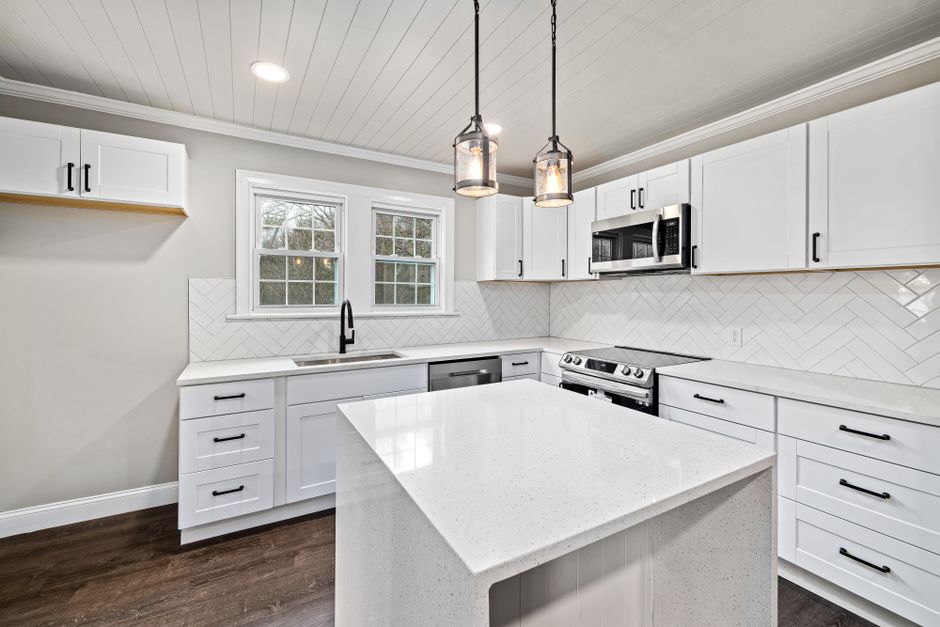
A cabinet box does one job: it holds a fixed volume square to the wall so the doors, counters and appliances around it land true. In a kitchen in Carlsbad, CA, every teardown kitchen renovation carlsbad tv nations has logged shows the same thing, which is that the delivery date, not the demolition date, sets the real schedule.
Measure the room after the walls are bare
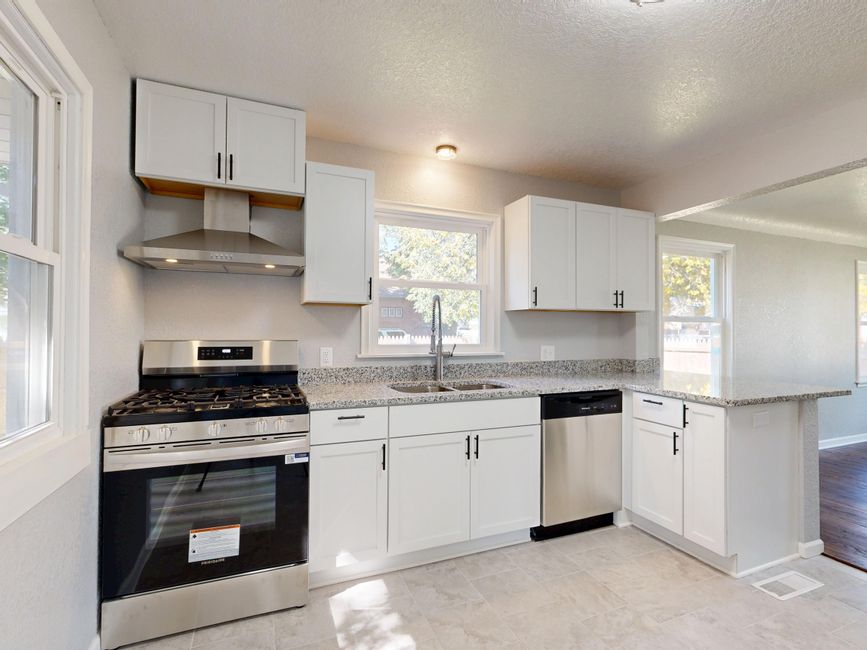
A drawing from the day of the first visit is a starting point. Old walls are rarely plumb and old floors are rarely level, and a run that measures ninety-six inches at the counter can measure ninety-five and a half at the ceiling. Field measurement happens once the old cabinets are out, with the wall condition visible, because a filler strip is easy to plan and hard to improvise on delivery day.
Why the order goes in early
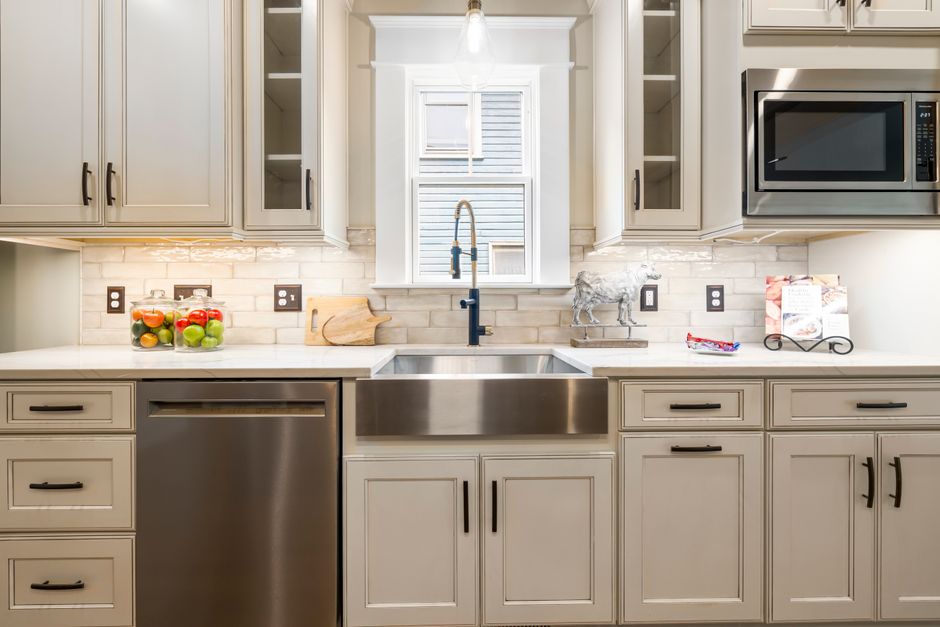
Semi-custom and custom lines are built to order, and the build queue runs for weeks. Stock lines ship faster but still need a truck slot, and a delivery into a La Costa cul-de-sac needs a street the box truck can actually turn around on. Because of that wait, the order often goes in while demolition is still on the calendar, and the demolition date gets set backward from the delivery estimate, not forward from the first day of work. A kitchen torn out with no boxes on the way becomes a kitchen without a sink for a long stretch.
Check the shipment before the truck leaves
Ask for the packing list and confirm every box against the drawing: base units, wall units, tall pantry, fillers, toe kick, end panels and the hardware. Short shipments happen across San Diego County, and a missing end panel can hold the countertop template. Panels and doors for a Carlsbad home near the coast should be checked for swelling or warped edges at the dock, since boxes sit in damp air during transit and storage.
Staging the boxes at the house
Cabinets arrive in dozens of cartons, and they need a dry, flat place to wait. A two-car garage near Batiquitos Lagoon works if the cars move out, the concrete is dry and the boxes stay off the floor on pallets or scrap lumber. Leave them in their cartons until the installer is ready, then open and inspect each one for scratches, dents and wrong finishes before anything is screwed to a wall.
Plan the install sequence in the same room
Uppers go on first in many crews, since the base units would otherwise be in the way, and then bases follow, set from the highest point in the floor. Tall pantry and refrigerator surrounds are fitted last so the openings are exact. Each step depends on the one before, and the cabinet order is only done when every piece on the drawing has a place on the wall.